Chevrolet Automotive Industry – The automotive industry is changing faster than it has in decades, and Chevrolet is right in the middle of that transformation. Once known primarily for powerful engines and classic American styling, Chevrolet is now redefining itself through technology, electrification, and digital innovation.
Recent updates across Chevrolet’s lineup—from software-focused infotainment systems to evolving electric vehicle strategies—signal a brand that is adapting carefully rather than rushing blindly into trends. In this article, we take a closer look at what’s new in the Chevrolet automotive industry and why these developments matter for both current owners and future buyers.
Chevrolet’s Focus on Technology and Software
One of the most noticeable changes within Chevrolet’s recent strategy is its growing emphasis on software and digital experiences. Vehicles are no longer defined solely by hardware; instead, software has become a key differentiator.
Chevrolet has begun rolling out:
- Larger and more responsive infotainment displays
- Native app integrations, reducing reliance on smartphones
- Improved voice recognition and connectivity features
- Over-the-air software updates on newer models
This shift allows Chevrolet to enhance vehicles long after purchase, improving functionality, fixing bugs, and adding features without requiring dealership visits. From a long-term perspective, this approach helps Chevrolet remain competitive in an industry increasingly shaped by technology companies as much as traditional automakers.
Updates Across Chevrolet’s Vehicle Lineup
Chevrolet’s recent updates are not limited to one model or segment. Instead, the brand is making incremental improvements across its entire lineup.
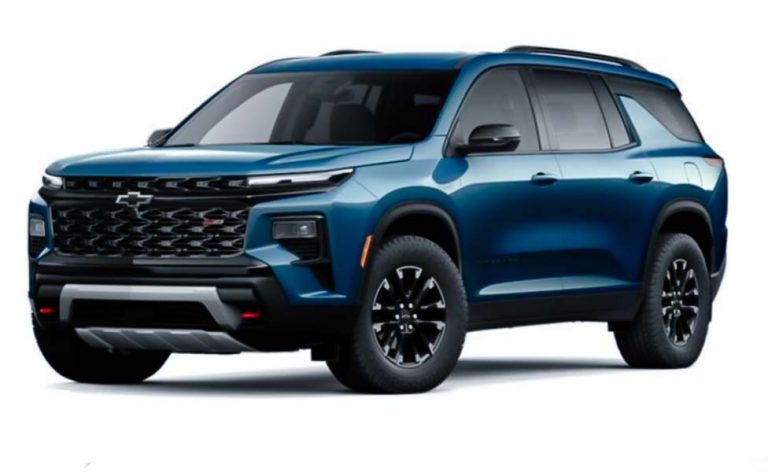
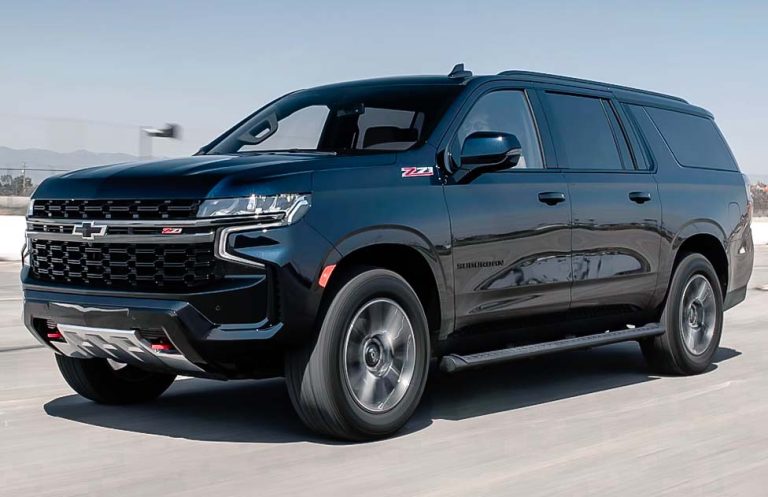
Sedans and crossovers are receiving refreshed interiors, improved safety systems, and better fuel efficiency. SUVs such as the Equinox and Blazer continue to evolve with more modern styling and enhanced driver assistance features.
Rather than dramatic redesigns every few years, Chevrolet appears focused on consistent refinement. This strategy helps maintain brand familiarity while steadily improving quality and usability—an approach that often resonates with long-term buyers.
Electric Vehicles and Chevrolet’s Long-Term EV Strategy
Electric vehicles are a major part of Chevrolet’s future, but the company’s approach remains measured and strategic. Instead of abandoning internal combustion engines overnight, Chevrolet is expanding its EV lineup while continuing to support traditional powertrains.
Key elements of Chevrolet’s EV strategy include:
- Dedicated electric models alongside gas-powered versions
- Shared platforms to reduce development costs
- Continued investment in charging compatibility and infrastructure
- Gradual education of buyers transitioning to EV ownership
By offering both electric and gasoline-powered vehicles, Chevrolet aims to meet customers where they are rather than forcing abrupt changes. This balanced approach may help the brand retain loyal customers while attracting new ones interested in electrification.
Pickup Trucks Remain a Core Priority
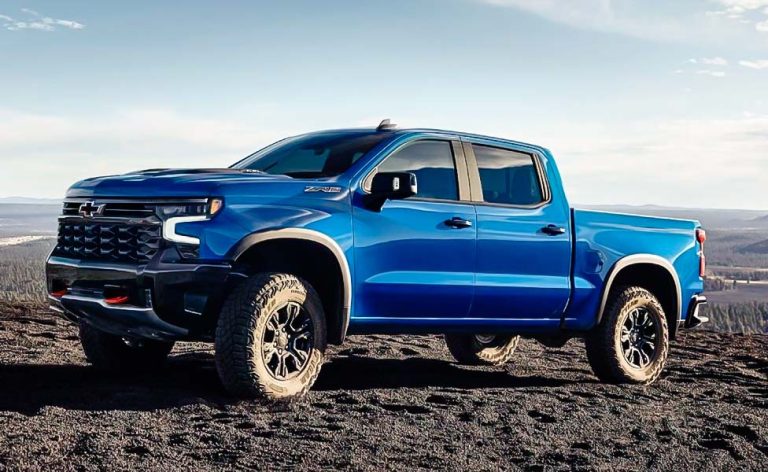
Despite major investments in technology and EVs, pickup trucks remain central to Chevrolet’s identity. The Silverado continues to play a critical role in the brand’s success, especially in North America.
Recent developments suggest Chevrolet is:
- Preparing future design updates for the Silverado lineup
- Expanding electric and performance-oriented truck variants
- Enhancing interior technology and comfort
- Maintaining strong work-focused configurations for commercial buyers
Rather than shifting away from trucks, Chevrolet is evolving them. This reflects an understanding that pickups must now serve both traditional utility needs and modern lifestyle expectations.
How Chevrolet Is Responding to Market Competition
Chevrolet operates in an increasingly crowded and competitive automotive market. Established rivals continue to innovate, while newer manufacturers emphasize software-first and electric-only approaches.
In response, Chevrolet appears focused on:
- Maintaining affordability across multiple segments
- Strengthening brand reliability and trust
- Expanding technology without overwhelming buyers
- Avoiding extreme design or pricing shifts
This strategy may not always generate headlines, but it prioritizes stability and long-term growth. For many consumers, consistency and reliability remain just as important as cutting-edge features.
What These Changes Mean for Buyers
For buyers, Chevrolet’s recent direction offers several clear benefits. Vehicles are becoming more connected, more efficient, and more adaptable over time. Current owners may benefit from:
- Software updates that extend vehicle lifespan
- Improved resale value due to ongoing platform support
- Better integration of safety and driver assistance features
Future buyers can expect Chevrolet vehicles to feel more modern while still retaining familiar driving characteristics. This balance may appeal especially to those who want progress without unnecessary complexity.
Final Thoughts on Chevrolet’s Current Direction
Chevrolet’s recent updates reveal a brand in transition—but not in turmoil. Instead of chasing trends aggressively, Chevrolet is refining its identity through careful modernization.
Technology, electrification, and design updates are being introduced gradually, allowing the brand to evolve without alienating its core audience. Whether this approach will outperform more aggressive strategies remains to be seen, but it positions Chevrolet as a manufacturer focused on sustainability, usability, and long-term relevance.
For now, Chevrolet’s future appears less about sudden revolutions and more about steady, thoughtful progress.
Frequently Asked Questions (FAQ)
Is Chevrolet moving toward fully electric vehicles?
Chevrolet is expanding its EV lineup but continues to support gasoline-powered vehicles.
Are Chevrolet vehicles becoming more software-driven?
Yes. Software and digital features are playing a larger role in newer Chevrolet models.
Will pickup trucks remain important for Chevrolet?
Absolutely. Trucks like the Silverado remain a core part of Chevrolet’s strategy.